
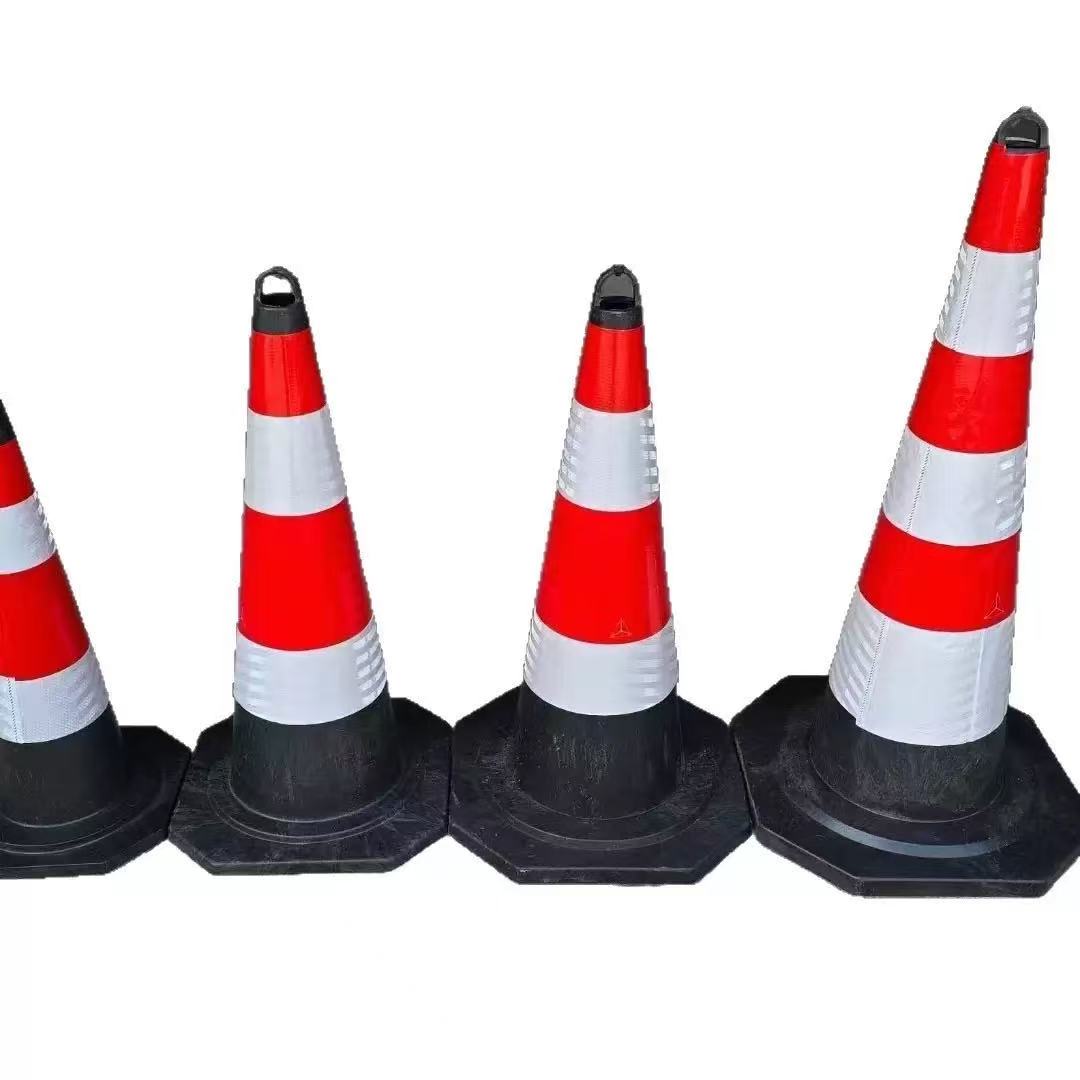
On highways, construction sites, or parking lots, traffic cones act like little orange sentinels, guarding traffic order. But these little sentinels can’t withstand the elements; over time, their appearance deteriorates—the outer shell becomes brittle, the color fades, and they may even turn a pale pink. So how long does it take for traffic cones to start aging and fading under sun and wind? There’s no fixed answer. Just like people tan at different rates, the “aging” speed of traffic cones is influenced by many factors.Red, Yellow, Blue, and Orange Traffic Cones: The “Color Code” of Overseas Roads
First, consider the material, which is key to determining the lifespan of a traffic cone. The most common ordinary plastic traffic cones, in sunny and windy areas like California and central Australia, will begin to fade noticeably in about 1 to 2 years. Initially, the bright orange fades, gradually turning into a yellowish-brown, and the outer shell becomes brittle, possibly crumbling when squeezed. High-quality recycled plastic or traffic cones with added UV protection are much more durable, able to withstand 3 to 5 years of sun and wind exposure, fading much more slowly, and even if they do change color, it’s only a slight fading.What’s the difference between municipal traffic cones and parking lot traffic cones?
Secondly, climate plays a crucial role. The impact of different weather conditions on road cones varies significantly. In tropical regions, such as Southeast Asia and the Amazon region of South America, intense ultraviolet radiation combined with frequent torrential rains can double the aging rate of road cones. Within six months, the color may fade considerably, and the outer shell may crack due to repeated exposure to moisture and sun. In temperate maritime climates, such as Western Europe, the sun is less intense, and the rainfall is more moderate. Road cones age and fade more slowly; even ordinary plastic ones can last for about two years before noticeable changes appear.What’s the Ideal Distance Between Speed Bumps?
Furthermore, the usage environment greatly affects the aging rate. Road cones placed along highways are not only exposed to the sun but also to pollution from vehicle exhaust. The chemicals in the exhaust accelerate the aging of the plastic, potentially causing problems six months earlier than road cones placed in suburban parking lots. If road cones are frequently blown over by the wind or run over by vehicles, even without fading, the outer shell will break down first, making them appear older. Furthermore, seaside traffic cones are susceptible to damage from salt spray, which corrodes their plastic surfaces, causing them to fade faster. Just as people tan from prolonged sun exposure, traffic cones also lose their shine.
Another detail is that the reflective strips on the surface of traffic cones age more quickly than the outer shell. Many traffic cones rely on these reflective strips to warn vehicles at night. Exposed to sun and rain, these strips typically lose their reflectivity within 6 to 12 months, becoming dull and gray. Even if the outer shell’s color is still acceptable, a damaged reflective strip significantly reduces the cone’s warning effectiveness—essentially blinding it first—requiring premature replacement.
Many places have strict requirements for traffic cone usage. For example, the U.S. Department of Transportation mandates that traffic cones used during road construction must be replaced if their color fades to the point of affecting their warning effect or if the outer shell develops noticeable cracks. Some safety-conscious cities also regularly inspect the condition of their traffic cones. In areas like Florida, which experiences frequent hurricanes and intense sunlight, a batch of traffic cones is replaced annually to prevent traffic accidents caused by aging and failure.
Some may think that fading traffic cones are merely unsightly, but that’s not the whole story. Faded traffic cones are difficult for drivers to spot during the day, especially in complex road conditions, easily leading to collisions. Therefore, even if a traffic cone isn’t broken, if the color has faded significantly, it’s time to replace it. If you see faded, cracked traffic cones while driving abroad, don’t assume the construction company was lazy; they’ve likely succumbed to the elements and need replacing.
The aging and fading time of traffic cones varies considerably depending on the material and climate, but regardless of the type, long-term exposure to the elements will inevitably cause them to deteriorate. Rather than waiting for them to completely fade and become ineffective, it’s better to inspect and replace them in advance, as the appearance of these little sentinels directly affects road safety.