
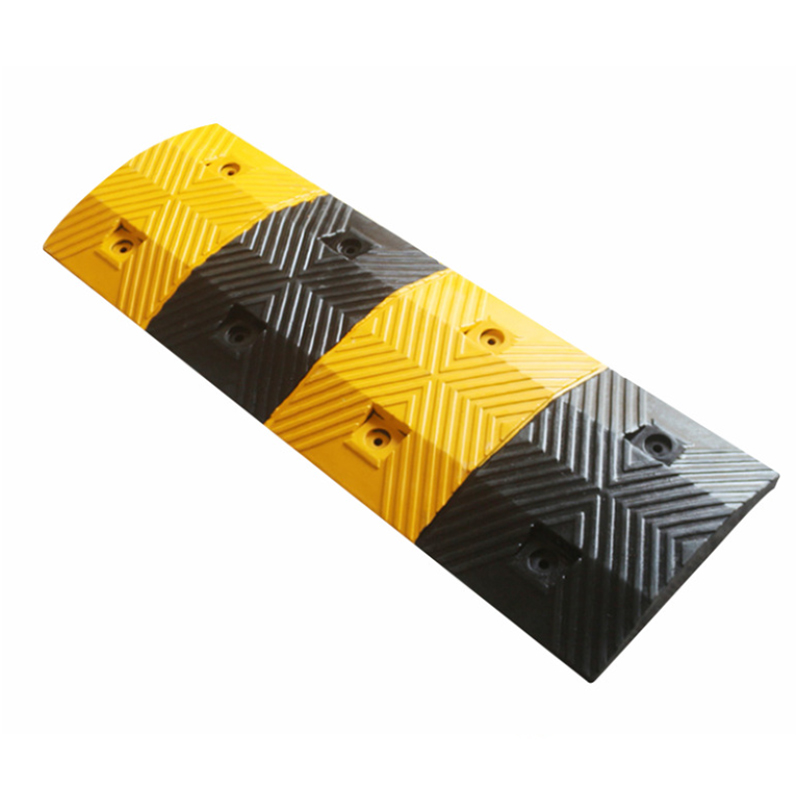
Unreasonably placed speed bumps in residential communities, such as those exceeding height limits, being too close together, or being improperly located, not only cause severe bumps and loud noise when vehicles pass through, but may also damage vehicle chassis, disrupt residents’ lives, and even pose traffic safety hazards. When encountering such problems, residents should not remain silent but can promote a solution through a standardized complaint process. The core of a complaint is “first gather evidence, then negotiate, and then escalate,” ensuring clear demands, sufficient evidence, and compliant procedures. Below is a detailed breakdown of the complete complaint steps and key points to help you efficiently protect your rights.How to Solve a Loud Noise When Driving Over Speed Bumps
Preparation before filing a complaint is fundamental, with the core being identifying the unreasonable aspects and securing evidence. First, accurately determine whether the speed bump is truly “unreasonable.” Refer to relevant standards such as the Ministry of Public Security’s “Rubber Speed Bumps”: the height of rubber speed bumps should be between 25-70 mm, with no more than 5 consecutive bumps, a spacing of 10-30 meters, and they should not be placed on non-motorized vehicle lanes. If speed bumps in a residential area exceed 7 centimeters in height, have more than four consecutive sections within a 6-meter radius, or lack designated non-motorized vehicle lanes, they are considered illegally installed. Secondly, comprehensive evidence must be collected, including: on-site photos of the speed bumps (clearly showing height, spacing, location, and surrounding environment); videos of vehicle noise (with recording timestamps); repair records of vehicle damage (e.g., scraping of the chassis due to the speed bumps); and joint feedback from other residents (to strengthen the persuasiveness of the demands). Simultaneously, prepare your personal identification information (resident’s name, apartment number, contact information) and clearly state your demands, such as “removal of the excessive speed bumps,” “adjustment of the speed bump spacing,” or “replacement with flexible speed bumps.”Which is better, rubber speed bumps or concrete speed bumps?
The first step: Prioritize negotiation with the property management company. This is the most direct and efficient initial approach. As the responsible entity for managing the community’s public facilities, the property management company is responsible for the installation and maintenance of speed bumps. During negotiations, residents can bring evidence to the property management office, clearly explaining the unreasonable aspects of the speed bumps, such as “the speed bump at the east gate of the community is 10 centimeters high, far exceeding the standard of 25-70 millimeters, which has caused multiple tire blowouts,” and making specific demands. It is recommended to use written communication (such as submitting a feedback form) and retain communication records (including chat logs, call recordings, signed receipts, etc.) to avoid subsequent shirking of responsibility. If the property management acknowledges the problem, you can request a rectification plan and timeline; if the property management refuses or delays, then proceed with the subsequent complaint process.
Step Two: File a complaint with the owners’ committee or community residents’ committee to leverage collective power for coordination. If negotiations with the property management fail, you can report the issue to the owners’ committee, which will organize owner representatives to communicate with the property management, as the owners’ committee represents the interests of the owners and has a supervisory responsibility over the property management. Simultaneously, you can file a complaint with the community residents’ committee, which has the right to intervene and mediate public interest disputes within the community. When filing a complaint, you must submit written complaint materials, including: the complainant’s information, the specific circumstances of the unreasonable speed bump, a list of evidence, a clear statement of demands, and contact information. The community residents’ committee usually organizes tripartite negotiations between the property management, the owners’ committee, and the owners to formulate a rectification plan. It is necessary to follow up on the progress of the negotiations in a timely manner to ensure the implementation of the plan.What
’
s the difference between speed bumps and speed mounds?
Step Three: File a complaint with the relevant functional departments to leverage administrative power to urge rectification. If community mediation is ineffective, you can file a complaint with the corresponding functional department depending on the nature of the problem. For noise pollution issues, residents can report to the local environmental protection department or police station. According to the “Noise Pollution Prevention and Control Law,” residents have the right to complain about noise problems affecting their lives. For issues involving illegal installation or disruption of traffic order, residents can complain to the urban management department or traffic management department. Especially if the speed bumps are installed on urban roads outside the residential area, unauthorized installation is illegal, and the traffic management or urban management department can order their removal. Complaint channels include the local government service hotline (such as 12345), the department’s official website, or offline service windows. When submitting materials, ensure the evidence is complete and the demands are clear. Record the complaint number after submission for future progress tracking.
Fourth Step: Legal recourse to protect legitimate rights. If the above methods fail to resolve the issue, and the unreasonable speed bumps have caused serious damage (such as frequent vehicle damage or noise-induced health problems for residents), residents can join other affected homeowners and file a lawsuit in court according to the relevant provisions of the “Management of Common Facilities of Homeowners” in the “Civil Code,” demanding that the property management company or responsible party remove the unreasonable speed bumps and compensate for losses. Before litigation, it’s essential to supplement and strengthen the chain of evidence, including all communication records, complaint receipts, and proof of losses. Consulting a professional lawyer is advisable if necessary to ensure the litigation process is compliant.
During the complaint process, two key points should be noted: First, maintain rational communication and avoid emotional conflicts, always basing decisions on evidence and standards to improve the efficiency of negotiation and complaints; second, retain all communication records and complaint receipts throughout the process, including written materials, recordings, screenshots, etc., as these are crucial evidence for resolving the issue. Furthermore, if speed bumps in the community were added due to safety hazards, it’s advisable to suggest that the property management adopt more reasonable alternatives, such as installing speed warning signs or flexible speed bumps, balancing safety and residential comfort. Only through standardized procedures and thorough preparation can the issue of unreasonable speed bumps be resolved efficiently, maintaining the community’s traffic environment and protecting residents’ rights.